How Crypto Exchanges Work: A Simple Guide for Beginners
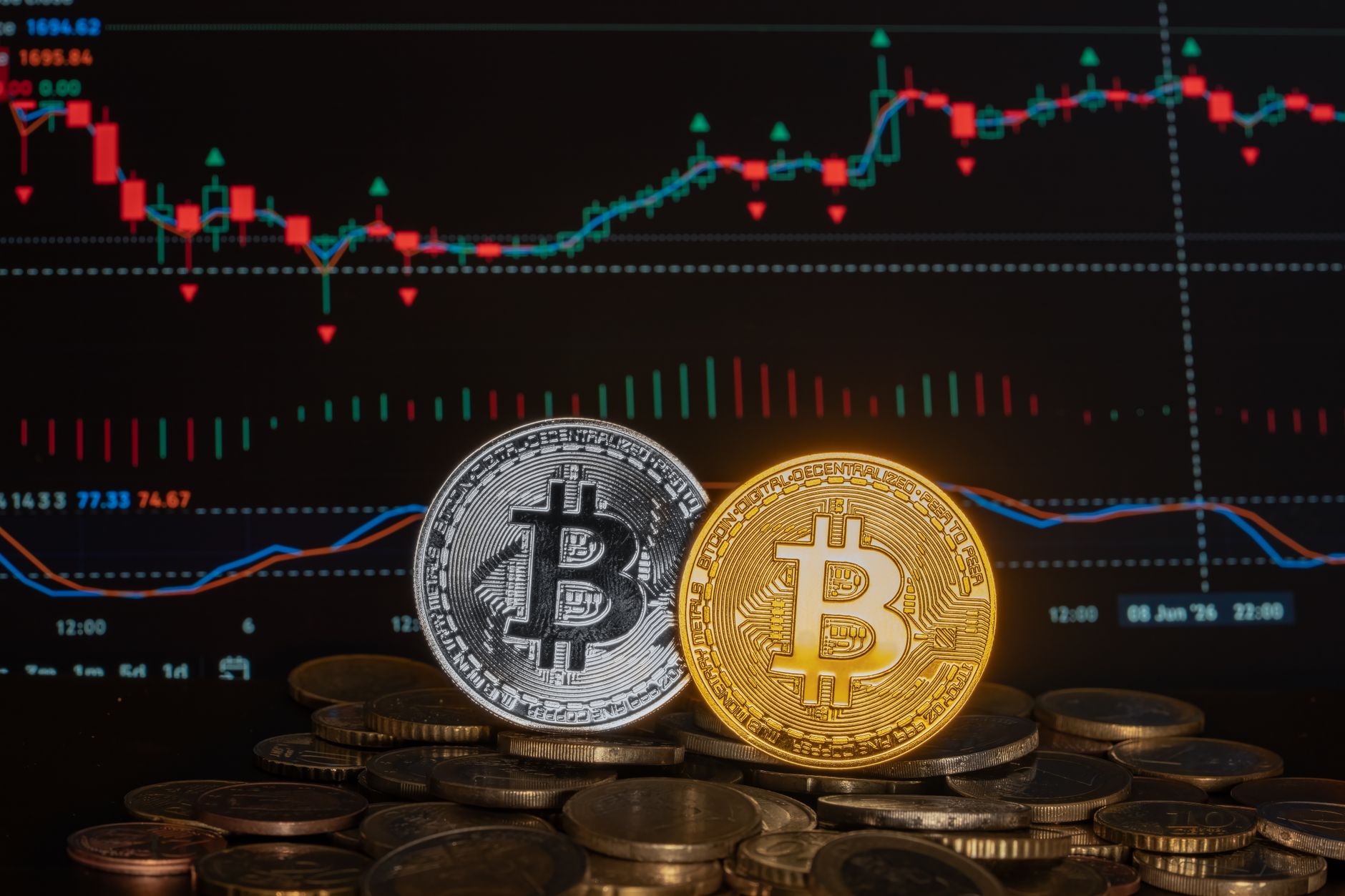
Crypto exchanges are digital marketplaces where you trade cash for digital coins like Bitcoin. You set up an account, send some regular money from your bank, and buy your first coin with a few taps. It works a lot like buying a stock on a phone app, but the market never closes.
The main job of a crypto exchange is matching people who want to buy with people who want to sell. The exchange takes a small fee for making that trade happen safely. It holds your funds in an online account so you do not need to manage complex code yourself when you start out.
What Is a Crypto Exchange?
Think of a crypto exchange like a giant online farmers market. Instead of fresh apples and carrots, people bring digital money. One person brings dollars and wants Bitcoin. Another person has Bitcoin and wants dollars. The exchange gives them a safe place to meet and swap.
Without an exchange, you would have to find a buyer on your own. You would meet a stranger on the internet, send them money, and hope they actually send the coin back. That is slow and scary. An exchange sits in the middle so neither side can cheat the other.
There are two big types of exchanges you will see. The first type is called a centralized exchange. A single company runs it, just like a bank runs its website. Most beginners start here because the app is easy to use. The second type is a decentralized exchange. That is a app run purely by computer code with no company in charge, but it takes more work to learn.

How a Crypto Exchange Matches Buyers and Sellers
When you look at a trading app, you see a price that moves every second. That number is not picked by the app owner. It comes from an order book, which is just a big list of buy and sell offers from real people.
Imagine you want to buy one coin for $100. You put that order into the app. On the other side of the world, someone else wants to sell their coin for $100. The computer system sees both requests, pairs them up, and moves the funds. The buyer gets the coin, and the seller gets the cash instantly.
This process happens thousands of times every minute. If more people want to buy than sell, the price goes up because buyers start bidding higher numbers to get what they want. If more people sell, the price drops. To learn more about how digital assets started, read about Cryptocurrency on Wikipedia.
Setting Up Your First Account Step by Step
Getting started on an exchange takes a few clear steps. It is very similar to opening a modern bank account online. You can usually do the whole process on your smartphone in about fifteen minutes.
- Download the app: Stick to major, well known apps with millions of users.
- Create a login: Pick a strong password that you do not use anywhere else.
- Verify your name: Take a photo of your driver's license or passport.
- Add a payment method: Link your debit card or hook up your local bank account.
- Make your trade: Choose how much you want to spend and hit the buy button.
The verification step catches many beginners by surprise. Government laws require financial apps to check who you are. This prevents money laundering and stops criminals from opening fake profiles. You usually have to take a quick selfie to prove your face matches your ID card photo.
Once your account is approved, you transfer cash into your new app wallet. If you want to understand the basic coin that started this entire market, check out our guide on What is Bitcoin in Simple Words for a plain breakdown.
How Do Exchanges Make Money?
Exchanges spend a lot of cash on server computer hardware and security teams. They do not work for free. They collect money by charging small costs every time you trade or move your funds.
The most common cost is the trading fee. If you buy $100 worth of a coin, the app might take 50 cents as their payment. That sounds small, but if you buy and sell every single day, those cents add up fast. Some apps claim they have zero fees, but they build the cost into the coin price instead. They sell you the coin for $101 instead of $100 and keep the extra dollar.
You also pay a fee when you move your cash back to your regular bank. Moving coins to a private storage device also costs a small amount. Knowing these costs helps you plan your trades so you do not lose cash to hidden charges.
How Do You Keep Your Coins Safe on an Exchange?
When you buy coins on a centralized app, the company holds the private keys for you. A private key is like the password to your digital safe. Holding your money on an exchange is very handy, but it carries real danger if the company gets hacked or goes out of business.
In 2022, a giant exchange named FTX collapsed because the owners spent their customers' cash recklessly. Millions of people lost access to their money overnight. That is why safety experts say: not your keys, not your coins. If you keep large savings on an exchange, you trust that business like a bank, even though it does not have the same government insurance.
If you keep funds on an app, turn on two-step login right away. This means the app asks for a code sent to your phone every time someone logs in. Never share that code with anyone, even if they claim they work for customer service. To read more guides on trading setups, explore our crypto trading hub tips for regular safety updates.
Centralized vs Decentralized Exchanges
Understanding the difference between exchange types helps you choose the right tool for your goals. Centralized options feel like modern banking apps, while decentralized options feel like raw peer-to-peer sharing tools.
Centralized apps have customer service teams you can email if you forget your password. They let you buy coins using direct debit or credit cards. The downside is that they control your assets, track your personal data, and can pause your withdrawals if their network has technical issues.
Decentralized apps run on code spread across many independent computers. You connect your own private digital storage app directly to the site. You do not need to give your name or an email address. The risk is that if you make a mistake or send funds to the wrong address, no one can help you get your cash back. You are totally on your own.
What Are the Big Risks of Using Crypto Exchanges?
Trading digital coins is risky, and the platforms carry their own specific dangers. Price swings happen fast. A coin can lose twenty percent of its value while you are asleep, and the exchange will not protect you from those market drops.
Another danger is fake apps. Scammers build fake exchange apps that look just like the popular ones. If you log into a fake app, the scammers steal your password and empty your real account within seconds. Always double-check that you download apps directly from official company web pages.
Outages also happen during crazy market moments. When prices crash, millions of people log in at the exact same time. The site servers get overloaded and stop working. You might get locked out of your account right when you want to sell your coins to protect your cash. It pays to go slowly and only put in money you can afford to lose.
Are you ready to try your first small trade, or do you feel safer learning more about storage options first?


Comments
Post a Comment